What is NFT?
Non-Fungible Tokens are electronic assets or a kind of digital certification for owning a tangible or intangible thing for example paintings, virtual lands, videos, etc. NFTs can't be replicated or traded with any asset since every NFT is exceptional.
Fungible and non-fungible tokens differ in the property of being interchangeable. The fungible tokens allow interchangeability while Non-Fungible Tokens don't.
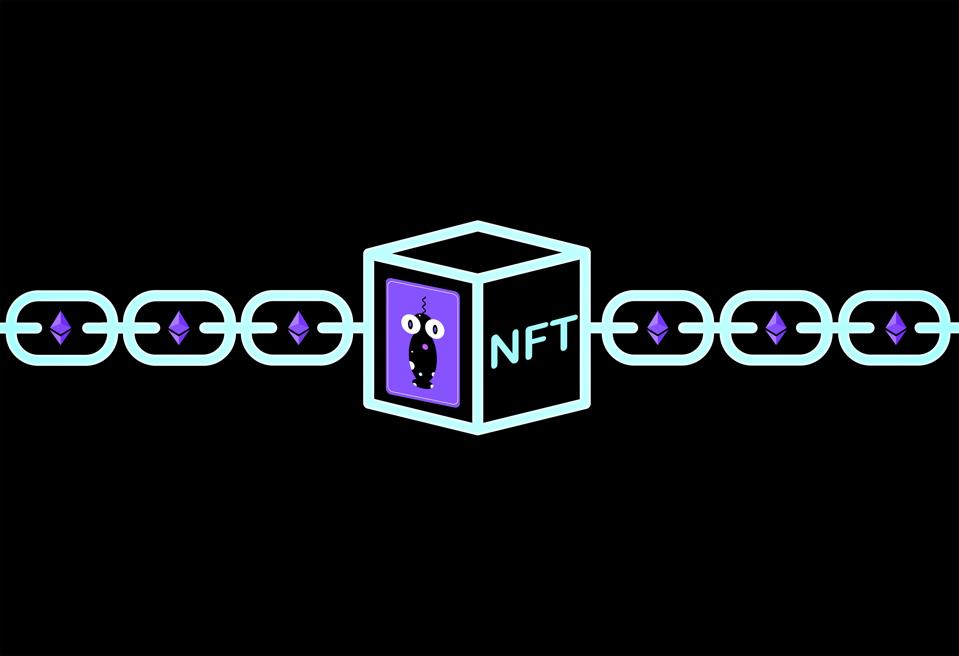
Bitcoins, gold and fiat monies are fungible merchandise. Every individual component of fungible resources is equal to each other unit and therefore allows simple interchangeability.
The non-fungible tokens contain identification information making each NFT distinct from one another and consequently, all these are irreplaceable tokens.
The main features of NFT An NFT development firm must make sure:
Uniqueness: Each NFT is exceptional. Bright Contracts connected with each NFT hold the identification information which makes every token special.
Indivisibility: It can't be split into smaller portions.
Rarity: The rarity and lack of special NFTs define its worth. The rarer the thing is, the more precious it is.
An NFT development firm has to be adept in developing NFTs across different industries.
What are the use cases of NFT across different industries?
Artwork
It's challenging for electronic artists to maintain the copyright of the job. NFTs help musicians retain the copyright of the artwork bits by holding the possession information. The copyright info includes artist information, past owners, origin date, strength value and other pertinent information. Additionally, it allows tracking of the whole history of the asset.
Gaming
Marketplaces, monies and in-game resources are the main focus of the worldwide gaming industry. PC, console and mobile games such as Fortnite and World of Warcraft include in-game things demanded by the players to accelerate or advance in their gameplay. NFTs let safe trading of those in-game resources and supply evidence of credibility.
Sports
The Blockchain and NFT offer efficient solutions to the issue of fake tickets and product. The immutability real estate of this Blockchain technology proves successful in eliminating counterfeiting. NFTs deliver tokenized sports tickets that hold the exceptional information of the registered owners.
Real Estate
NFTs may tokenize real-world resources and make them accessible for online trade with no third-party involvement. NFT ensures there is no chance of conflicts within the possession of property or other resources.
Media and Entertainment
The entertainment industry has faced a lot of instances of fraud associated with copyright theft and replicated content. NFT development resolves the possession issue most effectively. NFT appends every bit of movie or other websites to the Blockchain. The Blockchain holds the ownership information and prevents the files from being shared or copied without the owner's permission.
NFT provide a wide range of its advantages and use instances across various industries. Together with NFTs, businesses may gain from saving prices on fraud detection, counterfeit goods, copyright problems and owning private information. Adoption of NFTs remains in process across several industries. The entire world will probably witness the substantial effect of NFTs, particularly in the virtual world.


Comments
Post a Comment