Debunking AI Myths in Order Management: What You Need to Know
AI has swiftly revolutionized how companies approach enterprise order management, yet several myths about its implementation persist. As we dissect these misconceptions, we aim to provide clarity on how AI genuinely pertains to the supply chain realm.
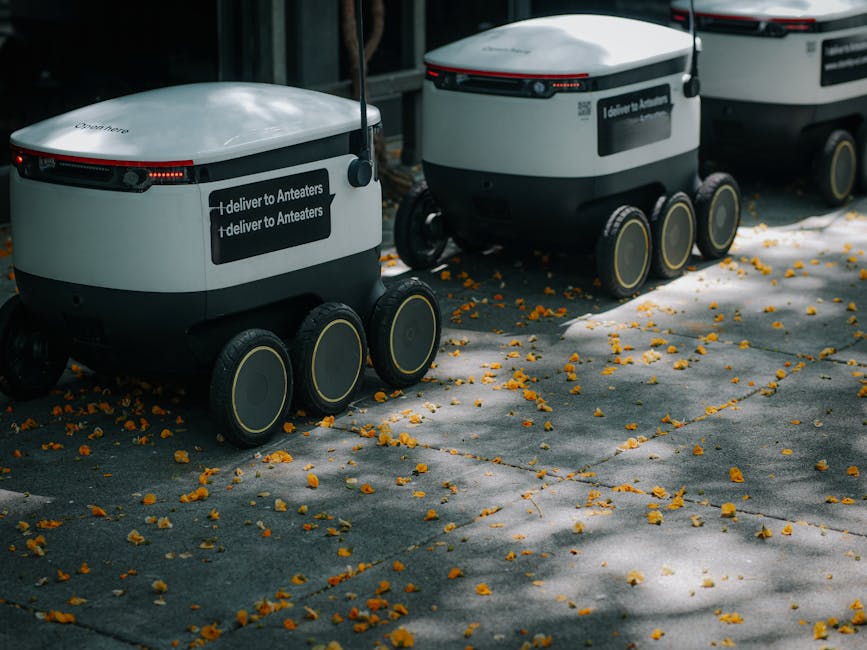
Contrary to widespread belief, AI in Order Management isn't a one-size-fits-all solution. With players like Manhattan Associates leading the charge, AI is more about tailored strategies than generic approaches.
Myth 1: AI Will Replace Human Jobs
One of the most prevalent myths is that AI will lead to massive job losses. While AI assists in Order Processing Automation and Capacity Planning, its role is to augment human capabilities, not replace them.
Myth 2: AI is Too Expensive
Many believe AI implementation is cost-prohibitive for businesses. On the contrary, AI's scalability in Inventory Optimization can significantly reduce operational costs, proving its worth as an investment.
Myth 3: AI Lacks Flexibility
Some claim AI systems are rigid, unable to adapt to spontaneous changes. However, AI solutions are designed to embrace Demand Variability, offering flexibility through real-time data processing.
Expanding Beyond Myths with AI
It's crucial to address these myths comprehensively and leverage AI in constructing agile and efficient supply chains. By fostering partnerships and understanding AI solution development, enterprises can place themselves at the forefront of innovation.
Final Thoughts
AI continues to evolve, breaking misconceptions and offering new horizons for enterprise operations. The journey towards AI Agents for Enterprise Operations is just beginning, shaping the future of order management as we know it.


Comments
Post a Comment